Posts

Mastication: Oral Health Meet 2018
Image
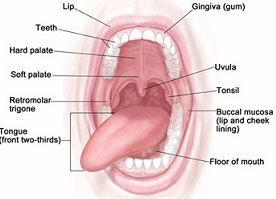
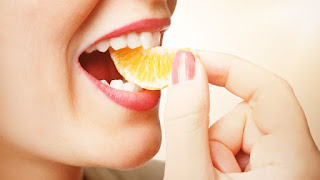
Mastication Mastication or chewing is the procedure by which sustenance is pounded and ground by teeth. It is the initial step of absorption and it builds the surface zone of sustenance to permit more productive separate by proteins. During the Mastication procedure, the sustenance is situated between the teeth for crushing by the cheek and tongue. As biting proceeds with, the nourishment is made gentler and hotter, and the compounds in salivation start to separate sugars in the sustenance. After chewing, the sustenance which is currently called a bolus is gulped. It enters the throat and by means of peristalsis proceeds to the stomach, where the following stage of absorption happens. Pre- Mastication is at times performed by human guardians for youthful new-born children who can't do as such for themselves. The nourishment is chewed in the mouth of the parent into a bolus and afterward exchanged to the new-born child for utilization. It is believed that...

Sedation Dentistry

Image
Sedation Dentistry                                                      Lots of people are afraid about going to the dentist for treatment which results, they prefer not to have treatment this is called as dental phobia. Sedation dentistry is used to provide a calm, smooth and anxiety-free experience for some people getting dental treatment. Sedation dentistry is also referred as sleep dentistry it involves some medicine which help the patients calm and relax during their treatment. Patients are normally conscious apart from the individuals who are under general anaesthesia. The levels of sedation used: Minimal Sedation : In this sedation patient will be awake but relaxed Moderate sedation : Patient may slur their words while speaking but they will not remember the process. Deep Sedation : In this case the patient will on the edge...

Dental Pulp Disease

Image
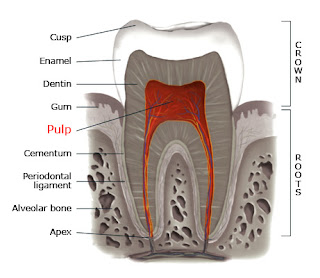
Dental Pulp Disease Pulp is delicate tissue found in the focal point of your tooth, and it contains delegate nerves and sensitive veins that will begin responding when somebody will ignore their oral health Pulp is the foundation of the tooth that makes a beautiful smile, Just like any other part, the pulp is weak to injury and infection, including different diseases. It’s possible to avoid dental pulp diseases by waiting for the symptoms of trouble with enamel but if the problem is left untreated it will also spread to the pulp. Reversible Pulpitis Pulpitis is fundamental infection of the dental pulp that makes itself known through slight to modest irritation. If sweet, hot, or cold food and drink items cause your teeth to hurt or send a shooting pain through your mouth, it’s probably pulpitis. A simple filling should resolve the issue. Irreversible Pulpitis If reversible pulpitis doesn’t receive dental attention, it will evolve into an irreversible f...

Dental Health and Mental Health

Image
Oral Health and Mental Illness: Depression is very common mental health condition all over the world. In which the mentally ill person can lose their interest in everyday activities they even do not take care of their oral hygiene . Which leads to the poor oral health. In fact, 2 out of 3 people with mental illness (depression) say that they are having oral health problems Dentist should be informed so that they’ll make sure your teeth stay healthy, so you can focus on your mental health. Oral Health is a common among mentally ill people which is related to poor food habit, side effects of the medicine these results in poor oral hygiene and will ultimately leads to periodontal disease which effect the whole body. When we compare general patent to mentally ill patients there are 3 time more cases of teeth removal. In a survey it was found that 92% cases are of tooth decay in which 23% never go for the treatment and 40% consumed tobacco and 9 % of then are suffering ...

Oral Mucosa

Image
Buccal Mucosa Buccal mucosa is the covering of the cheeks and the back of the lips, inside where they contact the teeth. Advancement of disease cells or tumour here prompts carcinoma buccal mucosa, which is a sort of oral distortion . It by and large begins in the squamous cells that are thin and level and line the lips and the mouth. Cause and risk factor of buccal mucosa cancer:          Use of tobacco and alcohol can increases the risk of getting buccal mucosa cancer          Buccal mucosa cancer is more common in men.          Mostly it occurs during the age of 50 to 80. Symptoms for buccal mucosa:          Sores in the mouth that does not go away after two weeks          Red patches raised in the mouth that bleeds easily.          Lumps Occurs in the mouth          Pain increa...

Temporomandibular Joint Disorder

Image
TMJ Disorder:                                           TMJ (Temporomandibular Joint) is the jaw muscles and the joints which help in opening and closing of the mouth. It is located on both the sides of the head. It works together whenever you speak or chew. It also controls the lower jaw when it moves forward, backward and when it move side by side. TMJ Disorder causes pain in the jaw joint in and the muscles that controls the movement of the mouth. Exact reason for the TMJ disorder is very difficult to determine. The pain can be due to the genetics, arthritis and can also due to jaw pain. In most of the case pain is temporary and we can be relieved by taking care of that or by nonsurgical treatment. In this case surgery is the last option when all the measures are failed. Possible causes of TMJ disorders include: ·          ...

Public Health Dentistry

Image
Dental public health: DentalPublic Health is that part of dentistry, oral health observation, development of the policy, preventing the most common oral diseases and promoting oral health, and the care of the dental health. Dental public health and the private practice both take the duty of assuring ideal oral wellbeing for all individual and the population. Dental Public Health is unique among the specialties and it is non-clinical way to prevent oral health; it is a specialty whose practitioners focus on dental and oral health issues in communities and populations rather than individual patients. Dental Public Health can be defined in many ways, from "art of counteracting and controlling oral ailment and advancing dental wellbeing through arranged public endeavours" to "a non-clinical strength of dentistry associated with the evaluation of dental wellbeing needs and enhancing the dental soundness of populaces instead of people." While these defin...